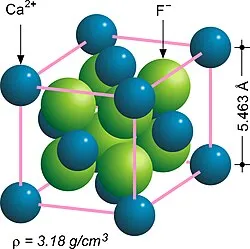
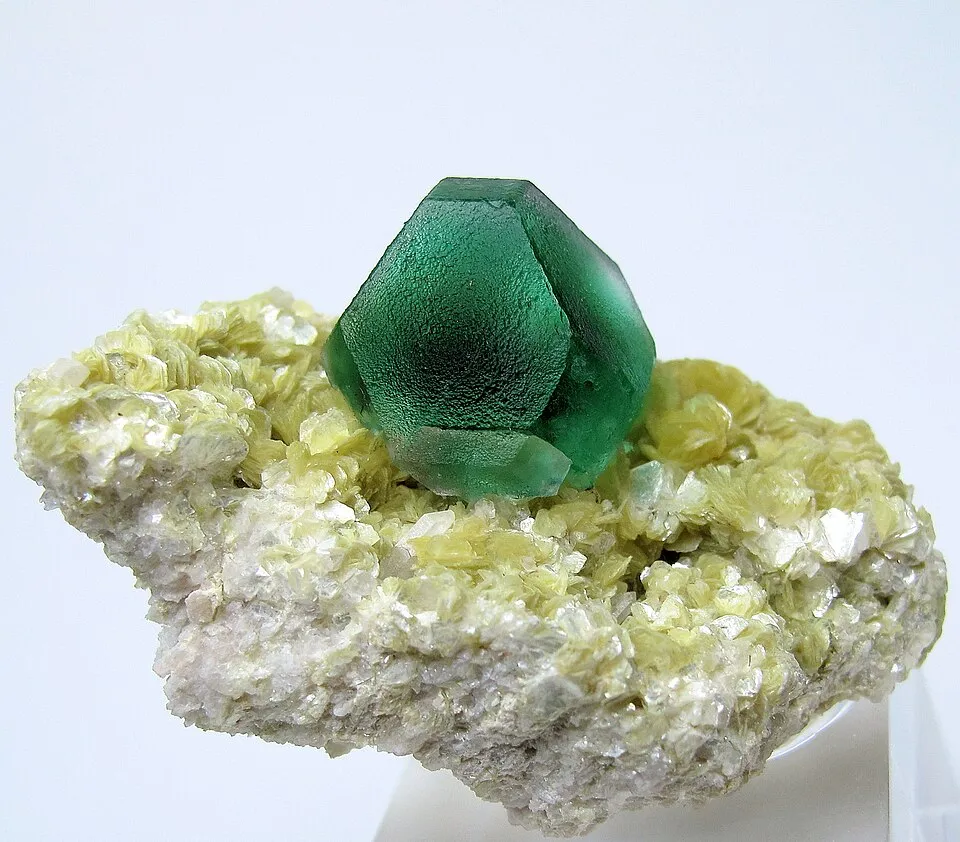
Fluorspar (calcium fluoride, CaF₂) is a critical industrial mineral that serves as the primary source of fluorine for the chemical, metallurgical, construction, and optical industries. However, the value of fluorspar powder is not determined by purity alone — particle size distribution plays an equally decisive role.
From coarse metallurgical-grade fluorspar passing 100 mesh (≈150 μm) to ultra-fine optical-grade powders as fine as 5 μm (3000 mesh), each application demands a specific particle size profile. Achieving these tight specifications requires high‑precision air classification equipment.
In this guide, we will walk you through the particle size requirements for major fluorspar applications and show you how Epic Powder’s five classifier series — HTS, ITC, TDC, MBS, and CTC — can be matched to your exact needs, covering a full D97 range of 3 μm to 250 μm with capacities from 1 t/h to 800 t/h.
1. Why Particle Size Control Matters in Fluorspar Processing
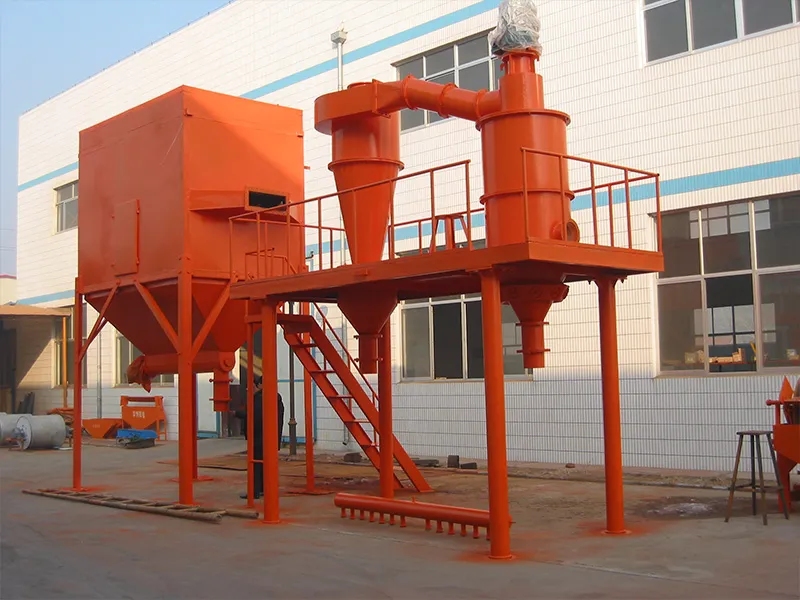
Fluorspar powder is produced by crushing, grinding, and then classifying the material into narrow particle size fractions. An air classifier separates fine particles from coarse ones based on their aerodynamic behavior. The cut point — often expressed as D97 (the size at which 97% of the particles are finer) — determines the product’s suitability for downstream applications.
Without precise classification:
- Oversized particles can clog reactors or reduce chemical reaction efficiency.
- Excessive fines may cause dusting issues, loss of material, or poor flowability.
- Inconsistent particle size leads to batch-to-batch variation, lowering product value.
Therefore, selecting the right classifier for your target D97 and throughput is a strategic decision that directly impacts your profitability.
2. Fluorspar Applications and Their Particle Size Requirements
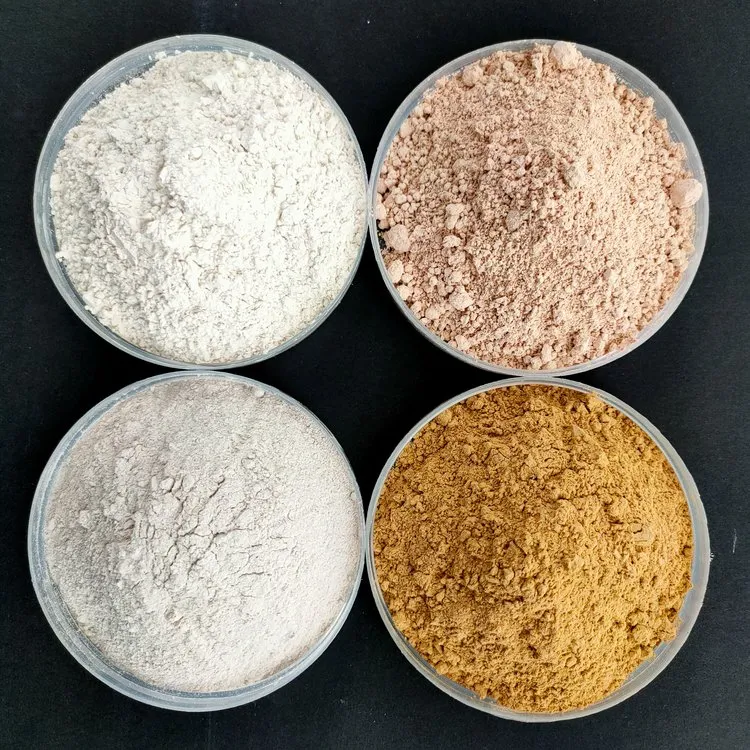
The table below summarizes the typical particle size and purity specifications for the four main fluorspar market segments. These data serve as your reference when choosing a classifier.
| Application | Typical Particle Size | Purity (CaF₂) | Key End‑Uses |
|---|---|---|---|
| Chemical (Acid Grade) | -100 mesh (≤150 μm) or -200 mesh (≤74 μm). Often specified as 85% passing 100 mesh or 90% passing 200 mesh. | ≥97% | Hydrofluoric acid, fluoropolymers, refrigerants, lithium battery electrolytes, fluorine chemicals. |
| Metallurgy (Metspar) | 80% passing 100 mesh (≈150 μm). Some specifications also accept -200 mesh. | 65% – 80% | Flux in steel and aluminum production to lower melting point and remove impurities. |
| Construction (Ceramic/Cement) | 80 mesh – 200 mesh (≈180 μm – 75 μm). | 85% – 95% | Cement mineralizer, opalescent glass, enamel frits, ceramic glazes. |
| Optical & High‑Tech | 3000 mesh (≈5 μm) for coatings and precision optics. Some applications require sub‑10 μm. | ≥99.5% (up to 99.99%) | Optical coatings, high‑purity lenses, prisms, vacuum deposition, specialty crystals. |
Note: The above figures are industry benchmarks. Always confirm final specifications with your customer.
3. Epic Powder Air Classifier Series for Fluorspar
Epic Powder offers a complete portfolio of air classifiers that cover the entire D97 range from 3 μm to 250 μm, with capacities from laboratory scale to 800 t/h. Below we introduce each series and recommend the best‑suited fluorspar applications.

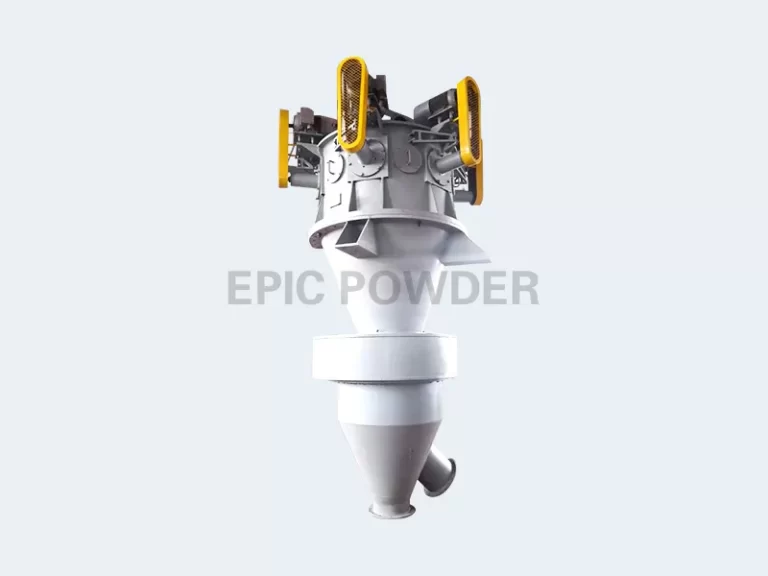
3.1 HTS Series – Ultra‑Fine Classifier (D97: 3–45 μm)
| Parameter | Value |
|---|---|
| Cut point (D97) | 3 – 45 μm |
| Typical applications | Optical grade, high‑value chemical grade |
| Features | High precision, steep cut, low energy consumption |
Best for: Producing ultra‑fine fluorspar powder in the 5 μm to 20 μm range, such as optical coating material or highly reactive chemical grade.
Why choose HTS?
The HTS series uses a horizontal high‑speed turbine wheel and an efficient secondary air injection system to achieve extremely sharp separation. When you need a D97 of 10 μm or even 5 μm with minimal coarse particle contamination, HTS is your solution.
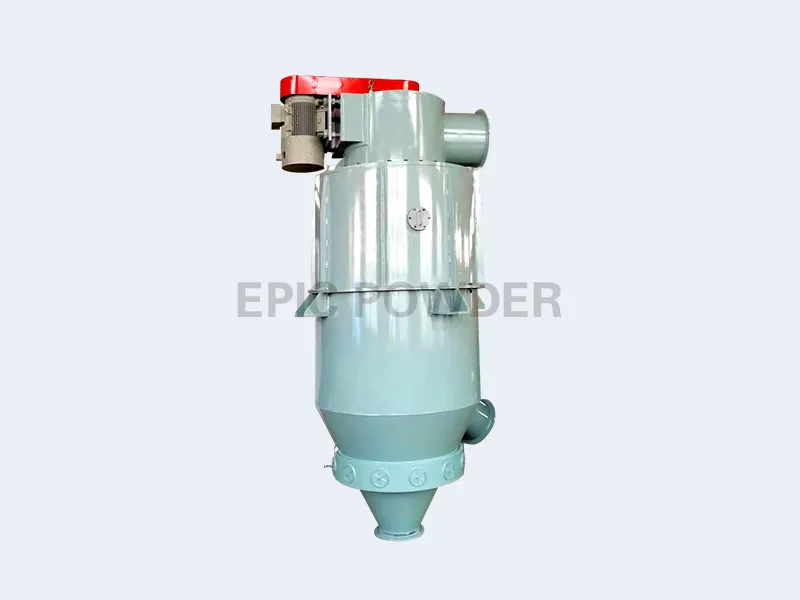
3.2 ITC Series – Multi‑Purpose Classifier (D97: 5–150 μm)
| Parameter | Value |
|---|---|
| Cut point (D97) | 5 – 150 μm |
| Typical applications | Acid‑grade fluorspar (chemical), metallurgical grade |
| Features | Widest operating range, flexible, easy to adjust |
Best for: Fluorspar producers who need one machine to handle multiple products — from fine chemical powder (e.g., 45 μm) to medium metallurgical powder (e.g., 150 μm).
Why choose ITC?
The ITC (Integrated Turbo Classifier) combines a vertical rotor with a compact design. Its cut point can be adjusted online by changing rotor speed and airflow, allowing you to switch between different fluorspar grades without stopping production.
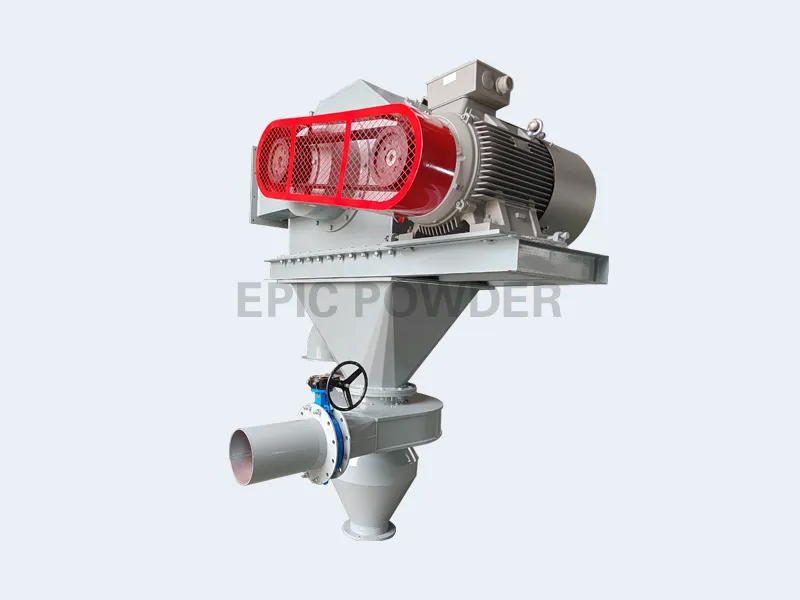
3.3 TDC Series – High‑Capacity Ultra‑Fine Classifier (D97: 3–45 μm, 3–30 t/h)
| Parameter | Value |
|---|---|
| Cut point (D97) | 3 – 45 μm |
| Throughput | 3 – 30 t/h |
| Typical applications | Bulk ultra‑fine fluorspar for chemical & optical precursors |
| Features | Combines ultra‑fine cut with medium‑high capacity |
Best for: Producers requiring large volumes of ultra‑fine fluorspar (e.g., D97 ≤20 μm) but with higher output than the HTS can deliver.
Why choose TDC?
The TDC (Turbo Disc Classifier) is designed for continuous operation at elevated capacities. Its multi‑stage classification zone ensures that even at 10 μm cut points, the product remains free of oversize particles. If you are supplying fine fluorspar to the chemical industry at 10 t/h or more, TDC is the optimal match.
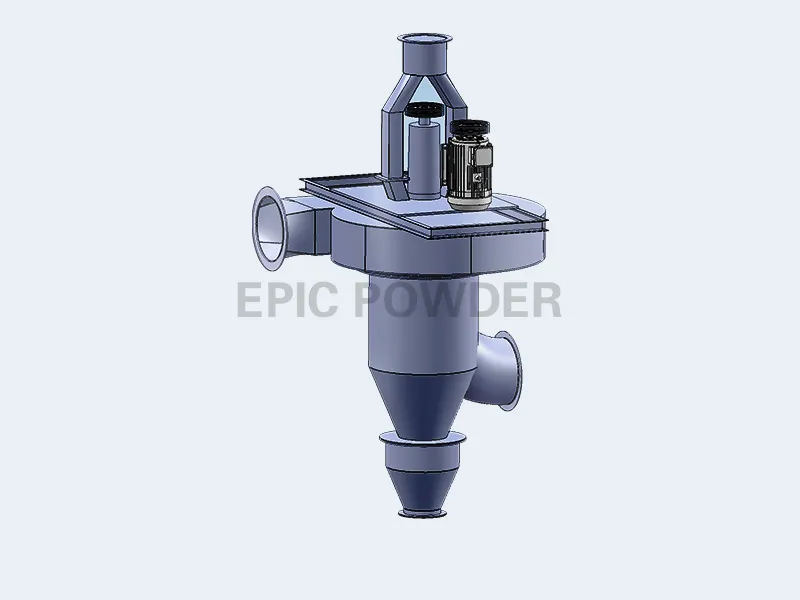
3.4 MBS Series – Mega‑Capacity Classifier (D97: 8–200 μm, 4–800 t/h)
| Parameter | Value |
|---|---|
| Cut point (D97) | 8 – 200 μm |
| Throughput | 4 – 800 t/h |
| Typical applications | Construction grade, metallurgical grade, large‑scale acid grade |
| Features | World‑leading capacity, robust construction, low maintenance |
Best for: Large mining and mineral processing plants that produce hundreds of tons per hour of construction or metallurgical fluorspar powder (e.g., 100 μm – 200 μm).
Why choose MBS?
The MBS (Multi‑Blade Screw) classifier is built for extreme throughput. With capacities up to 800 t/h, it is the highest‑output air classifier in its class. Despite its size, it maintains a sharp cut and low pressure drop, making it cost‑effective for high‑volume fluorspar operations.
3.5 CTC Series – Coarse Classifier with Precision (D97: 32–250 μm, 1–50 t/h)
| Parameter | Value |
|---|---|
| Cut point (D97) | 32 – 250 μm |
| Throughput | 1 – 50 t/h |
| Typical applications | Coarse construction grade, special metallurgical blends |
| Features | Excellent precision in coarse range, adjustable cut point |
Best for: Applications that require a clean coarse product, such as fluorspar for cement mineralizer (80–150 μm) or special flux with controlled top size.
Why choose CTC?
The CTC (Coarse Turbo Classifier) is specifically optimized for cut points above 30 μm. While many classifiers struggle with coarse separation, the CTC delivers a narrow particle size distribution even at D97 = 200 μm. It is also ideal for removing ultra‑fine dust from a coarse product (dedusting).
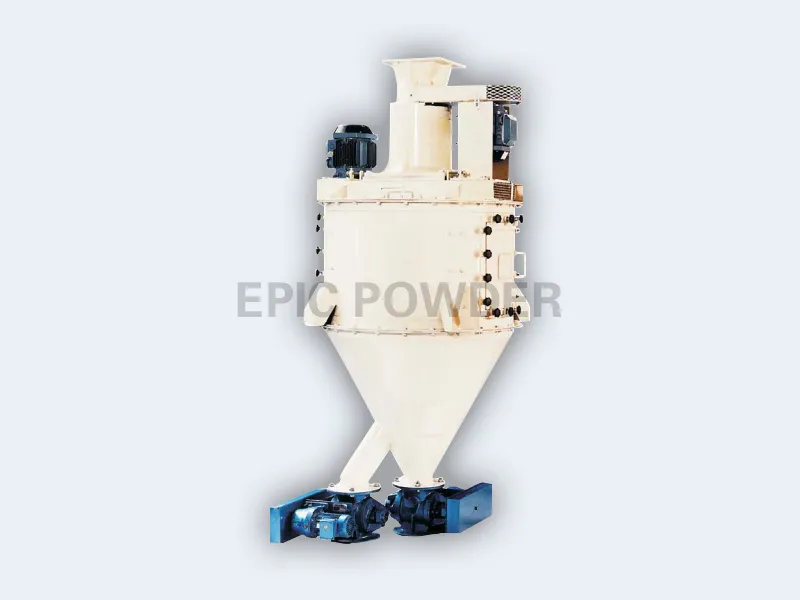
4. How to Select the Right Classifier for Your Fluorspar Application – A Decision Flow
Follow these four steps to narrow down your choice.
Step 1 – Define your target D97 (cut point)
| If your target D97 is … | Then start with these series |
|---|---|
| 3 – 45 μm (ultra‑fine to fine) | HTS, TDC, ITC |
| 5 – 150 μm (fine to medium) | ITC, MBS |
| 32 – 250 μm (medium to coarse) | CTC, MBS |
Step 2 – Define your required throughput (t/h)
| Throughput range | Recommended series |
|---|---|
| < 5 t/h | HTS, ITC (small frame), CTC (small frame) |
| 5 – 30 t/h | TDC, ITC (large frame), CTC |
| 30 – 200 t/h | MBS (medium frame), TDC (multiple units) |
| > 200 t/h up to 800 t/h | MBS (large frame) |
Step 3 – Match with your target application
| Application | Most recommended classifier |
|---|---|
| Optical / high‑purity ultra‑fine (≈5 μm) | HTS (precision) or TDC (higher volume) |
| Acid grade chemical (74 μm – 150 μm) | ITC (flexibility) or MBS (large scale) |
| Metallurgical flux (150 μm, 80% passing) | ITC or MBS |
| Construction / cement (75 μm – 180 μm) | MBS (high output) or CTC (coarse precision) |
Step 4 – Consider additional factors
- Purity sensitivity: For optical grade (CaF₂ >99.5%), use classifiers with optional ceramic or wear‑resistant liners to avoid iron contamination.
- Moisture: All Epic classifiers handle dry materials. Pre‑drying is required if feed moisture exceeds 1%.
- Integration: Our classifiers can be combined with ball mills, Raymond mills, or vertical mills to form a complete grinding‑classifying system.
5. Case Example: Setting Up a Fluorspar Classification Line
Scenario: A chemical company wants to produce acid‑grade fluorspar powder (D97 = 74 μm) at 15 t/h.
Recommended solution:
- Primary grinding: Ball mill
- Classifier: ITC series (D97 5–150 μm range, can be set to 74 μm)
- Expected recovery: >90%
- Optional: Second‑stage classification with HTS if they also need a fine by‑product (e.g., 10 μm for specialty chemicals).
Why ITC?
Because the cut point (74 μm) sits well inside the ITC’s operating window, and 15 t/h is well within its capacity range. The ITC also allows the producer to later adjust to coarser (150 μm) or finer (45 μm) products without changing hardware.
6. Conclusion
Selecting the right air classifier for fluorspar powder is not about choosing the “best” machine — it is about choosing the right machine for your specific D97, throughput, and application.
Epic Powder’s five classifier series cover the entire spectrum:
- HTS for ultra‑fine precision (3–45 μm)
- ITC for flexible multi‑purpose classification (5–150 μm)
- TDC for high‑volume ultra‑fine (3–45 μm, up to 30 t/h)
- MBS for mega‑capacity coarse to medium (8–200 μm, up to 800 t/h)
- CTC for precise coarse separation (32–250 μm)
Whether you are a small specialty producer or a global mining company, we have a solution that fits your fluorspar classification needs.
EPIC Powder
At Epic Powder, we offer a wide range of equipment models and tailor solutions to meet your specific needs. Our team has more than 20 years experience in various powders processing. Epic Powder is specialized in fine powder processing technology for mineral industry, chemical industry, food industry, pharama industry, etc.
Contact us today for a free consultation and customized solutions!
Ready to optimize your fluorspar powder processing?
Contact Epic Powder today for a free application review and equipment recommendation. Send us your feed material characteristics, target D97, and desired throughput — our engineering team will propose the most cost‑effective classifier configuration.
📧 Email: mineral@epic-powder.com
🌐 Website: https://www.powder-air-classifier.com/
📞 Tel: +86 157 6227 2120
Ask us about online particle size analysis integration and wear‑protection options for abrasive fluorspar feeds.

“Thanks for reading. I hope my article helps. Please leave a comment down below. You may also contact EPIC Powder online customer representative Zelda for any further inquiries.”
— Emily Chen, Engineer