1. Understanding the Fundamentals: What is an Air Classifier?
Definition and Core Working Principle
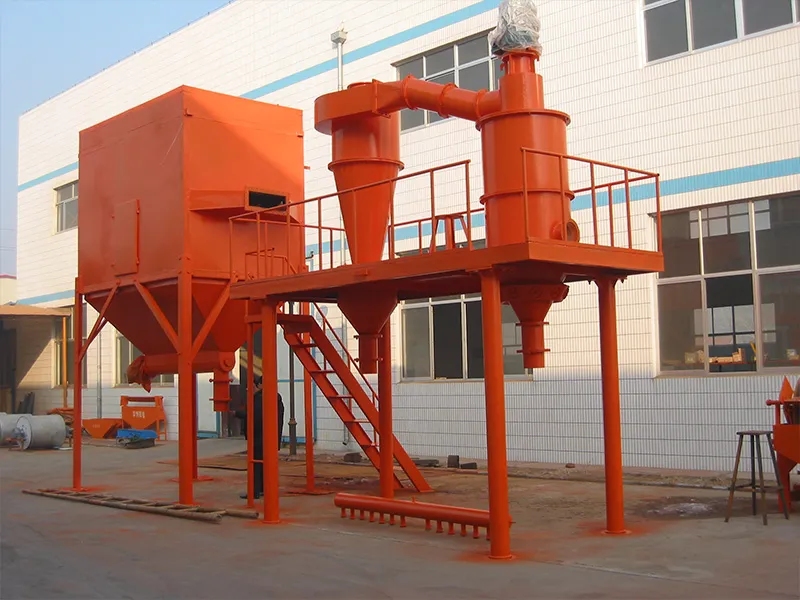
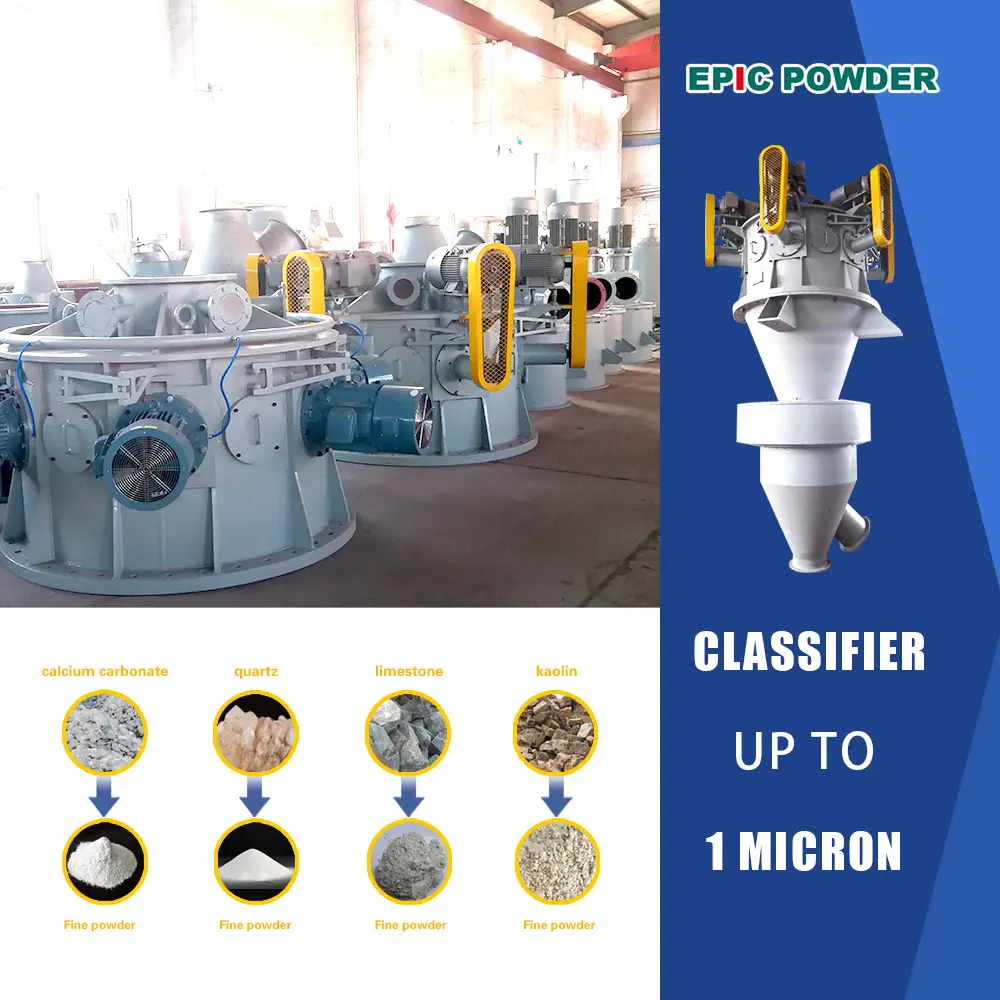
An air classifier is a sophisticated powder processing device that utilizes a controlled airflow field to separate particles. This separation process is based on the physical properties of particles such as size, density, and shape. By adjusting the airflow velocity and classifier parameters, the machine efficiently sorts ultrafine powders, ensuring the desired particle size distribution for various industrial applications.
Key Operational Characteristics
One of the main advantages of an ultrafine air classifier is that it operates through a dry classification process, eliminating the need for water or any wet separation method. This dry approach reduces contamination risks and simplifies maintenance. Additionally, air classifiers offer precise particle size control, achieving a narrow particle size distribution that enhances product consistency and quality in powder processing. This precision makes them invaluable tools for industries demanding high-performance material classification.
2. Matching the Classifier to Your Application and Industry
Primary Application Areas
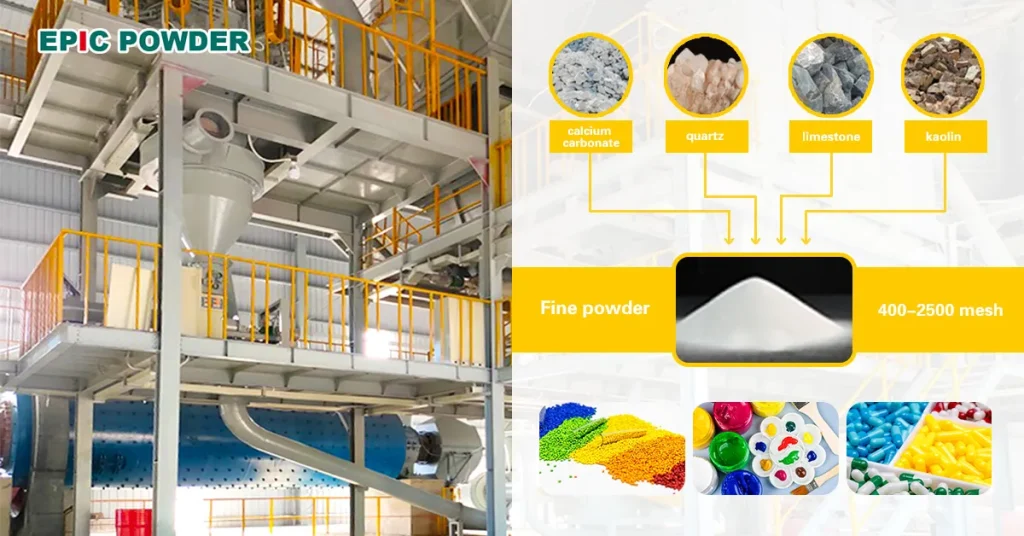
Choosing the right ultrafine air classifier starts with understanding where you’ll use it. Common applications include:
- Industrial Solid Waste Resource Recovery: Efficiently process materials like tailings and slag to reclaim valuable components and reduce waste.
- Mineral Processing: Particularly useful for non-metallic ores where precise particle classification improves downstream processing.
- Fine Chemical and Metallurgical Powders: Achieve uniform particle size distribution critical for product performance in chemicals and metal powders.
Each of these industries demands specific classifier features tailored to the material characteristics and processing conditions.
Defining Your Processing Goals
Before selecting an air classifier, clearly outline what you want to achieve:
- Improve raw material utilization: Cut down on waste by extracting the most value from your input materials.
- Enhance final product consistency and quality: Ensure the classified powder meets strict size and purity standards to boost product performance.
Matching these goals with the classifier’s capabilities is key. For example, when working with fine powders, precise size control makes a big difference. For more insight into machine options tailored for such needs, exploring advanced air classifying grinding technologies can provide a helpful overview.
3. Evaluating Performance: Beyond the Brochure
Key Performance Indicators (KPIs)
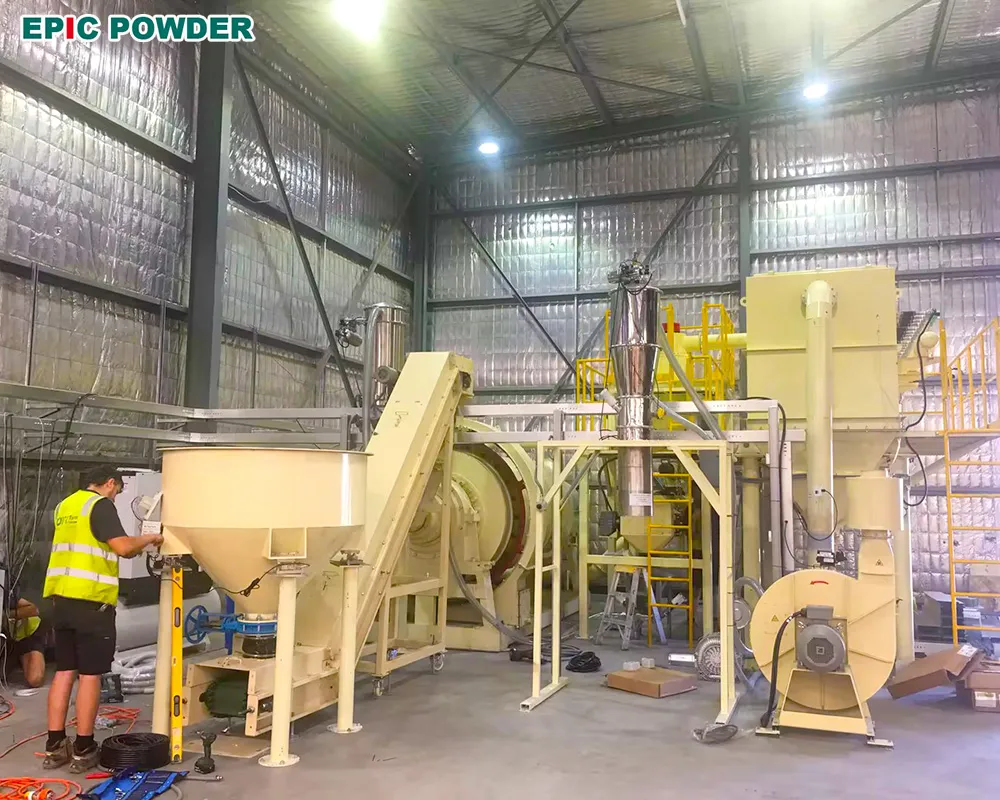
When choosing the right ultrafine air classifier, focus on classification precision and cut point sharpness. These tell you how accurately the machine separates particles by size, which is crucial for consistent product quality. Throughput capacity and operational efficiency also matter—they determine if the classifier can handle your volume needs without wasting energy or causing bottlenecks.
The Importance of On-Site Validation
Don’t rely solely on manufacturer specs or brochures. Conduct real material tests using your actual feedstock to see how the classifier performs under your specific conditions. Watch the discharge status closely and monitor how the machine runs over extended periods to catch any stability issues. Comparing real operational data helps confirm the equipment’s reliability and ensures it meets your processing goals. For a deeper understanding of practical performance testing, exploring resources like the detailed application value of air classifiers can provide valuable insights.
4. The Future of Classification: Adapting to Industry Trends
Supporting the Industry Shift
Today’s industries are increasingly focused on precision, efficiency, and green processing. This means reducing waste, saving energy, and achieving exact particle size control to meet stricter quality and environmental standards. Choosing an ultrafine air classifier built for these priorities helps companies stay competitive and eco-friendly.
The Role of the Air Classifier
Air classifiers have become a standard tool in modern solid waste and fine powder processing. They offer unmatched reliability and adaptability, handling various materials with consistent precision. By integrating advanced air classification technology, businesses can improve product quality and streamline operations. For example, specialized air classifiers designed for ultra-fine precise separation support these evolving needs by delivering exceptional sorting accuracy. This adaptability ensures your equipment stays relevant as industry demands continue to grow and change.
Epic Powder
Epic Powder, 20+ years of work experience in the ultrafine powder industry. Actively promote the future development of ultra-fine powder, focusing on crushing, grinding, classifying and modification process of ultra-fine powder. Contact us for a free consultation and customized solutions! Our expert team is dedicated to providing high-quality products and services to maximize the value of your powder processing. Epic Powder—Your Trusted Powder Processing Expert!

“Thanks for reading. I hope my article helps. Please leave a comment down below. You may also contact EPIC Powder online customer representative Zelda for any further inquiries.”
— Emily Chen, Engineer