In high-end coatings, plastics, and cosmetics, sericite is a key functional filler that improves gloss, smoothness, and mechanical performance. Yet turning standard 325-mesh sericite into ultra-fine powder with D97 ≤ 10μm is technically challenging for most production lines. Producers must solve one core problem: how to balance high throughput (around 1300 kg/h) with a precise 10μm cut point without sacrificing stability or yield. Traditional sericite classification systems often deliver low fine powder recovery, broad particle size distribution, and high energy consumption, which directly limit product value and profit margins in these premium markets.
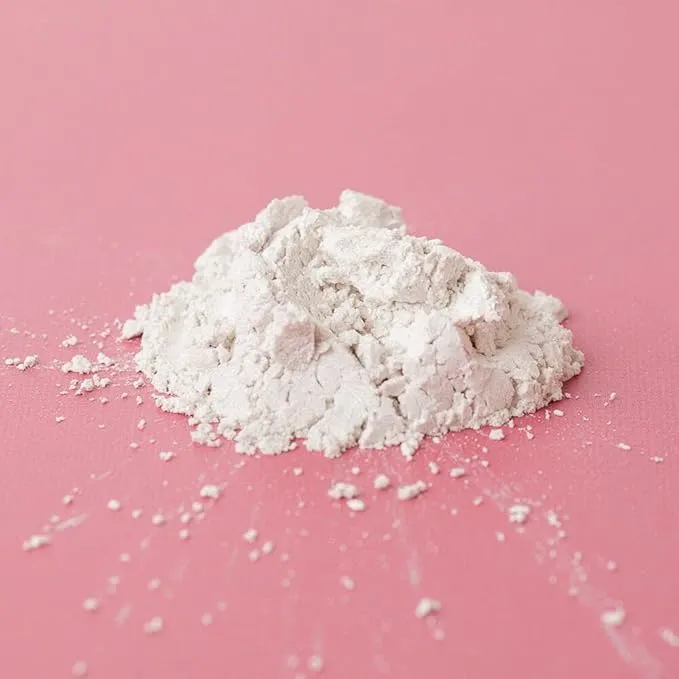
Sericite case with HTS400
A high-end filler manufacturer wanted to upgrade its product portfolio for premium coatings and cosmetic-grade fillers. The existing classifier line produced unstable fine powder quality, with insufficient D97 ≤ 10μm fraction and frequent batch inconsistencies.library+2
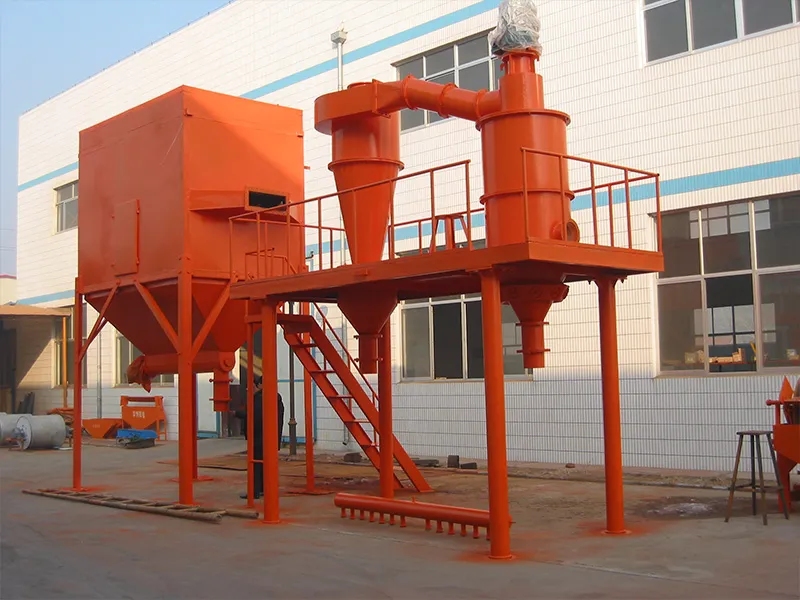
To address this, Epic Powder implemented the HTS400 horizontal air classifier, designed for dynamic airflow separation of ultra-fine mineral powders. The system forms a closed classification circuit together with cyclone, dust collector, and induced draft fan: material is fed, classified in a controlled airflow field, fine powder is collected, and coarse powder is automatically returned to milling for further grinding.
Basic process flow:
- Feed: 325-mesh sericite is introduced into the classifier.
- Classification: Rotor speed and airflow separate particles by aerodynamic diameter.
- Fine collection: D97 ≤ 10μm sericite is collected as high-value product.
- Coarse return: Oversized particles are sent back to the mill, avoiding waste.
Key performance data
| Parameter | Value / Result |
|---|---|
| Feed Material | 325-Mesh Sericite |
| Target Fine Powder | D97 ≤ 10μm |
| Coarse Powder | D50 = 17.20μm |
| Throughput | 1300 kg/h |
| Equipment Model | HTS400 Air Classifier |
These parameters are fully within the design window of the HTS series, which covers dry ultra-fine classification in the range of D97 3–45μm at industrial-scale throughput.
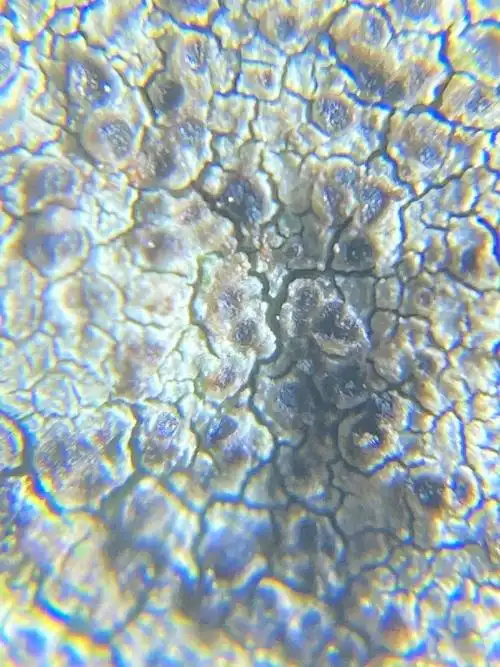

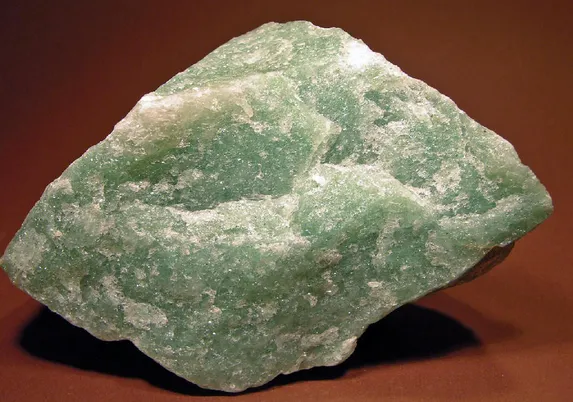
Micrograph of sericite
Why HTS400 achieves 10μm at 1300 kg/h
High-precision cut at 10μm
The HTS400 adopts a horizontal rotor and optimized classifying wheel geometry developed for ultra-fine powders. By controlling rotor speed via frequency inverter and fine-tuning airflow, the system creates a sharp separation boundary, allowing stable extraction of 10μm fines from feed with top size around 45μm.
This sharp cut reduces the overlap between fine and coarse fractions, narrowing the particle size distribution and minimizing the presence of unwanted mid-size particles in the D97 ≤ 10μm product.
Large throughput without losing accuracy
The HTS series offers classifier diameters and multi-wheel configurations that support high air volumes and material loads. The HTS400 model combines an enlarged classifying zone with carefully engineered internal flow paths to keep the flow field stable even at high throughput, so precision does not deteriorate as capacity increases towards 1300 kg/h.
Flow simulation and rotor design ensure that each particle experiences a consistent balance of centrifugal and drag forces, which is essential for maintaining a consistent 10μm cut point across long production runs.
Energy efficiency and fine powder yield
Modern air classifiers, including the HTS series, are designed to improve classification efficiency while optimizing fan and rotor power demand. In a well-tuned sericite line, fine powder recovery rates above 80–85% are realistic, significantly increasing saleable D97 ≤ 10μm output from the same feed tonnage.
Compared with older generation equipment, such systems can cut specific energy consumption by roughly 20–30% for similar fineness targets, depending on process integration and raw material properties.
How classified sericite creates higher profits
High-value fine fraction (D97 = 10μm)
Obtaining stable D97 ≤ 10μm sericite enables entry into more demanding and higher-margin applications:
- High-end coatings: Fine sericite improves hiding power, rheology, and suspension stability in architectural and industrial paints.
- Cosmetics: Ultra-fine sericite provides a silky skin feel, soft-focus effect, and can partially replace titanium dioxide or talc in foundations, powders, and color cosmetics.
- Engineering plastics: As a functional filler, fine sericite enhances mechanical strength, dimensional stability, and surface gloss in engineering polymers and plastic masterbatches.
With consistent 10μm-grade sericite, manufacturers can target premium segments where customers pay more for tight particle control and improved performance.
Profitable use of coarse fraction (D50 = 17.20μm)
The coarse fraction from classification is far from waste:
- It can be sold directly as mid-grade filler for standard coatings, plastics, rubber, or construction materials, where slightly coarser sericite is acceptable.
- Alternatively, it can be recycled upstream to the grinding mill for further size reduction, helping create a near-zero-waste process loop.
This dual-stream utilization improves overall material yield and supports flexible product grading strategies for different markets.
Beyond sericite: HTS400 for other minerals
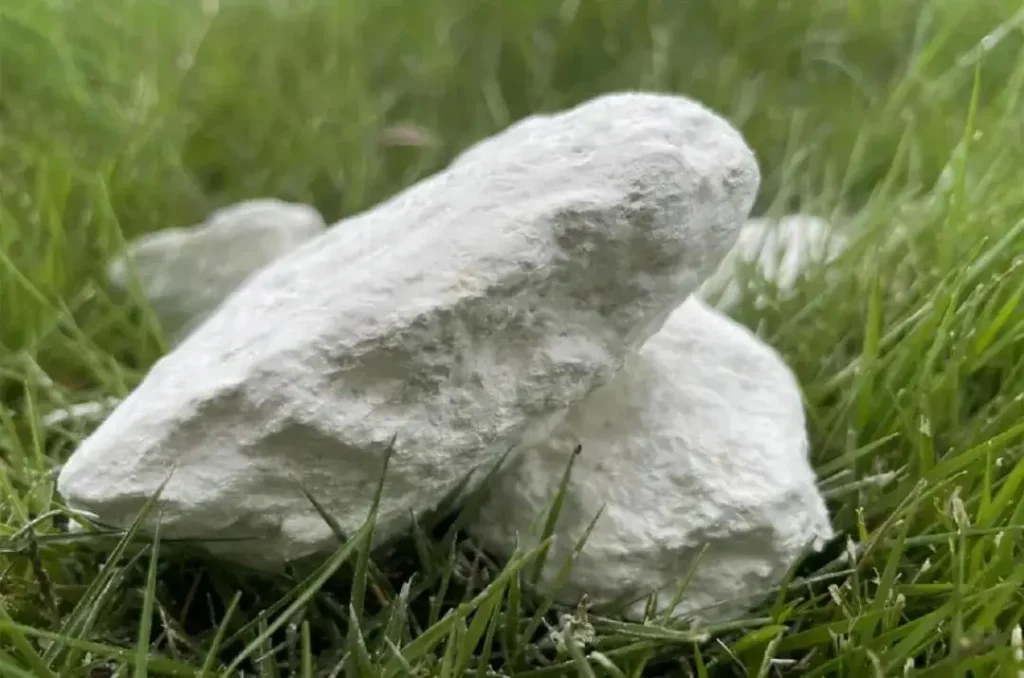
Horizontal air classifiers like the HTS series are widely used for nonmetallic minerals that require both high throughput and precise micron-level control. Typical materials include:
- Talc: Ultra-fine talc for automotive plastics, high-end coatings, and cosmetic powders.
- Calcium carbonate: D97 10μm and below for paper, plastics, and paints.
- Kaolin and other clays: Controlled fine grades for ceramics, paper coating, and functional fillers.
Epic Powder supports customized configuration by adjusting rotor type, rotor speed, airflow rate, and system layout to match the specific density, shape, and flow behavior of each powder. In addition, laboratory-scale air classifiers and demo lines are available for free trial classification tests, allowing customers to evaluate achievable fineness, yield, and energy consumption before investing in a full-scale system.
Epic Powder
If your sericite or other mineral powder needs higher added value, tighter particle size control, or better energy efficiency, the HTS400 air classifier offers a powerful upgrade path. Request a free material classification test report from Epic Powder to see exactly how much throughput and profit improvement the system can deliver for your plant.
- Visit the HTS400 product information page on Epic Powder’s website for technical details and model options.
- Schedule a factory visit or an online live demonstration to watch the HTS classifier in real operation and discuss your project with Epic Powder’s engineering team.

“Thanks for reading. I hope my article helps. Please leave a comment down below. You may also contact EPIC Powder online customer representative for any further inquiries.”
— Posted by Jason Wang, Senior Engineer