Equipment knowledge

Equipment knowledge is essential for anyone working in technical fields. Understanding the specifications, functions, and maintenance requirements of various tools and machinery can significantly enhance productivity and safety. This expertise allows professionals to select the right equipment for specific tasks, troubleshoot issues efficiently, and ensure optimal performance. Moreover, staying updated on the latest advancements in equipment technology can provide a competitive edge in the industry. Ultimately, strong equipment knowledge fosters better teamwork and communication, as team members can collaborate effectively when they share a common understanding of the tools at their disposal.

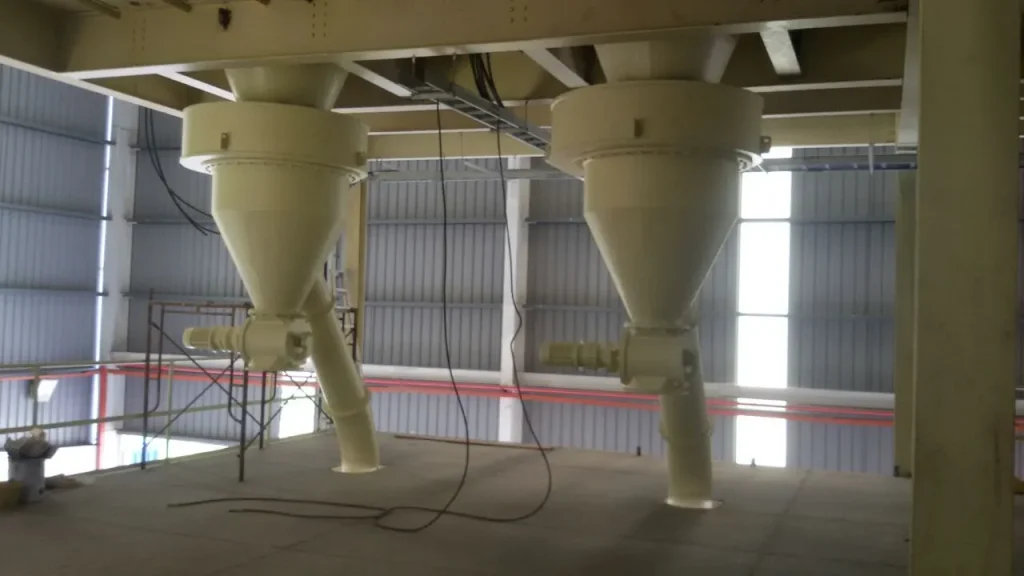
Air Classifier Mill

Development of Powder Classification Technology and Analysis of Typical Equipment

What is Powder Classification? Powder classification refers to the process of separating a group of particles into two or more size categories based on differences in settling velocity within the same medium. These differences arise from variations in particle size, density, shape, or surface physicochemical properties. The key aspects of powder classification technology are dispersion […]

Development of Powder Classification Technology and Analysis of Typical Equipment Read More »
EPIC HTS400-4

Air Classifying Grinding for Zircon Sand

Zircon sand, primarily composed of zirconium silicate (ZrSiO4), is a highly valuable industrial mineral widely used in ceramics, refractories, foundries, and advanced material applications. Renowned for its high melting point (>2200°C), hardness (Mohs ~7.5), chemical inertness, and opacity, zircon sand is a key component in producing durable ceramics, sanitary ware, and heat-resistant materials. These properties

Air Classifying Grinding for Zircon Sand Read More »

calcium carbonate powder

Calcium Carbonate and Advanced Air Classifying Grinding

What is Calcium Carbonate? Calcium carbonate (CaCO3) is a naturally occurring mineral widely used in industries such as construction, plastics, paints, pharmaceuticals, and paper. It is found in limestone, marble, and chalk, and serves as a key raw material providing whiteness, opacity, and enhanced mechanical properties in many products. The versatility and abundance of calcium

Calcium Carbonate and Advanced Air Classifying Grinding Read More »

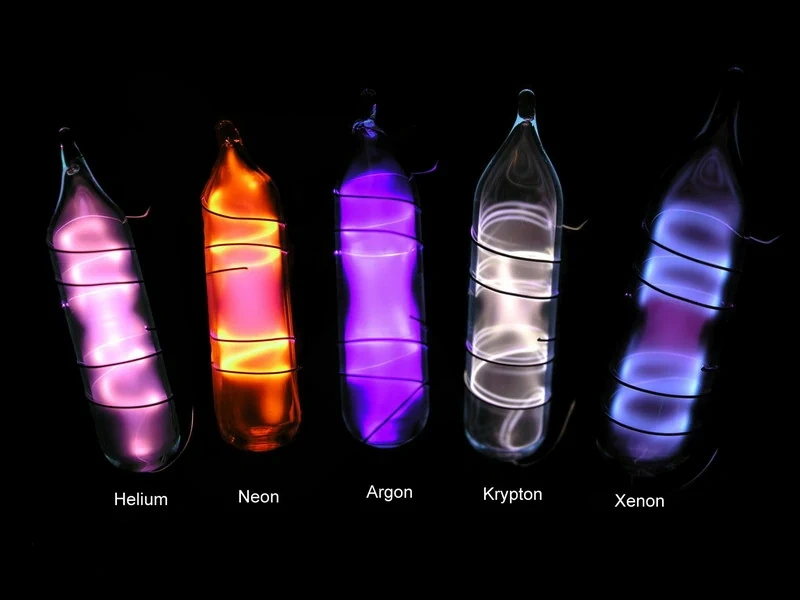
Inertia gas

Can Air Classifiers Be Equipped with Inert Gas Protection?

Air classifiers can be equipped with inert gas protection. This method is primarily used to prevent adverse reactions such as oxidation, corrosion, or combustion during the classification process. When handling materials that are prone to oxidation, flammability, or explosion. An inert gas-protected air classifier is a type of equipment that uses inert gases (such as

Can Air Classifiers Be Equipped with Inert Gas Protection? Read More »

motor-repair

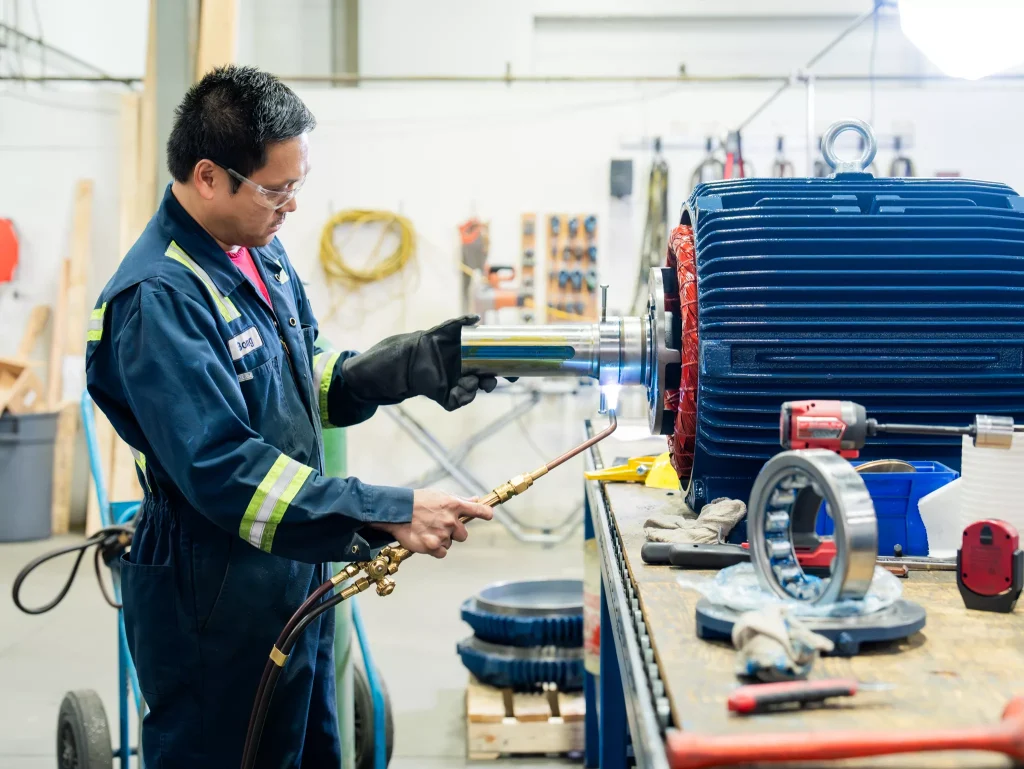
Why Air Classifying Mills Are Easy to Clean

Air classifying mills are widely used in industries requiring precise particle size control and contamination-free processing, such as pharmaceuticals, chemicals, and fine ceramics. One of their key advantages is ease of cleaning, which ensures product purity, reduces downtime, and complies with strict hygiene standards. The ease of cleaning primarily stems from their enclosed design, compact

Why Air Classifying Mills Are Easy to Clean Read More »

itc-03

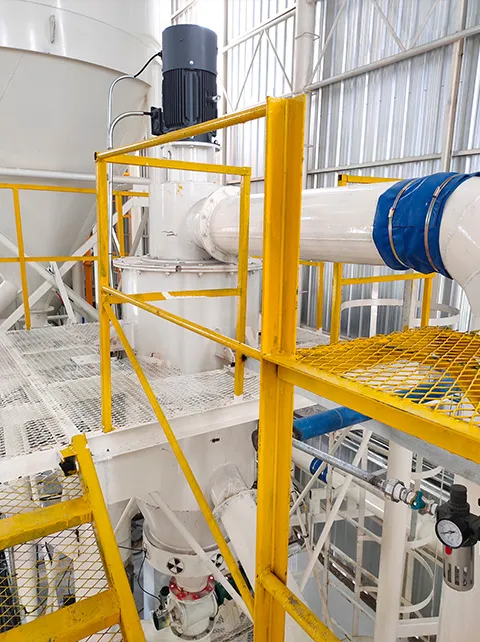
Advantages of Vertical Classifier Wheels Compared to Horizontal classifier wheels

When it comes to efficiently classifying powders, the choice between vertical and horizontal classifier wheels can have a big impact on performance, cost, and ease of operation. While both types have their uses, vertical classifier wheels offer several clear advantages in terms of simplicity, versatility, and maintenance. Here is a detailed comparison highlighting the benefits

Advantages of Vertical Classifier Wheels Compared to Horizontal classifier wheels Read More »

EPIC HTS Classifers

the Difference Between Air Classifiers and Gravity Separators

Although both air classifiers and specific gravity separators are used for material separation, they differ significantly in their core principles, applicable scenarios, and separation criteria. Below are the key differences between the two: Separation Principle Air Classifier Separates particles based on their aerodynamic properties (such as particle size, density, and shape) and their movement in

the Difference Between Air Classifiers and Gravity Separators Read More »

Solder Powder

The Impact of Classification Processes on Solder Powder

The classification and screening processes significantly influence the quality of solder powder. Classification primarily involves separating particles based on their size to achieve the desired particle size distribution. Common classification techniques include air classification and centrifugal classification. Air Classification Method: Advantages: It accurately separates particles of different sizes with a high impurity removal rate, significantly

The Impact of Classification Processes on Solder Powder Read More »

air classifier

Air Classifier Milling of Calcium Carbonate

Calcium carbonate (CaCO3) is one of the most abundant and versatile minerals found in nature. It occurs in various forms such as calcite, aragonite, and vaterite, each possessing unique crystallographic structures. Primarily derived from limestone, marble, and chalk, calcium carbonate serves as an essential raw material across multiple industries. Its chemical stability, whiteness, and low

Air Classifier Milling of Calcium Carbonate Read More »