What is an Air Classifier?
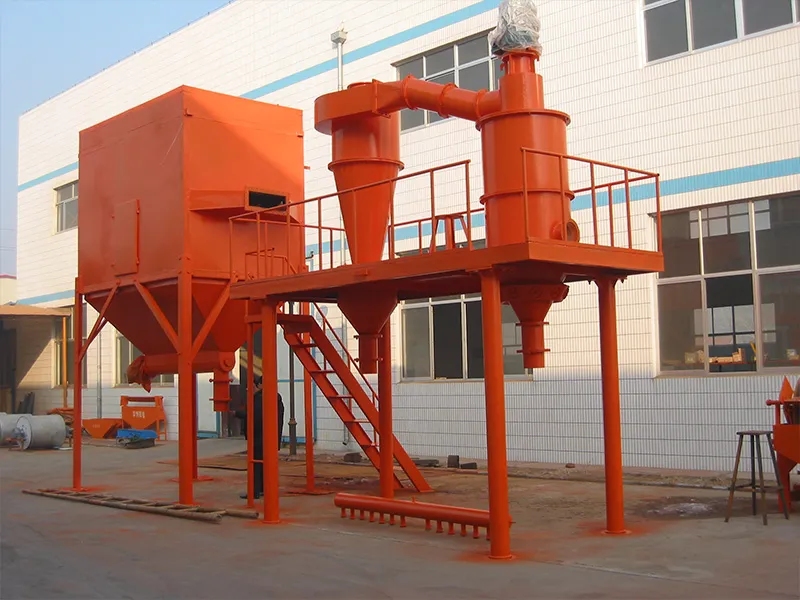
””’An air classifier is a mechanical device used to separate particles based on their size, shape, and density through airflow. It works by directing air currents to sort materials, allowing finer particles to be separated from coarser ones efficiently. IWidely used in industries such as mining, pharmaceuticals, food processing, and recycling, air classifiers help improve product quality and ensure precise particle size distribution. This equipment plays a crucial role in processes where accurate particle separation is essential for both production efficiency and product performance.’An air classifier is a mechanical device used to separate particles based on their size, shape, and density through airflow. It works by directing air currents to sort materials, allowing finer particles to be separated from coarser ones efficiently. IWidely used in industries such as mining, pharmaceuticals, food processing, and recycling, air classifiers help improve product quality and ensure precise particle size distribution. This equipment plays a crucial role in processes where accurate particle separation is essential for both production efficiency and product performance.
How Does an Air Classifier Work?
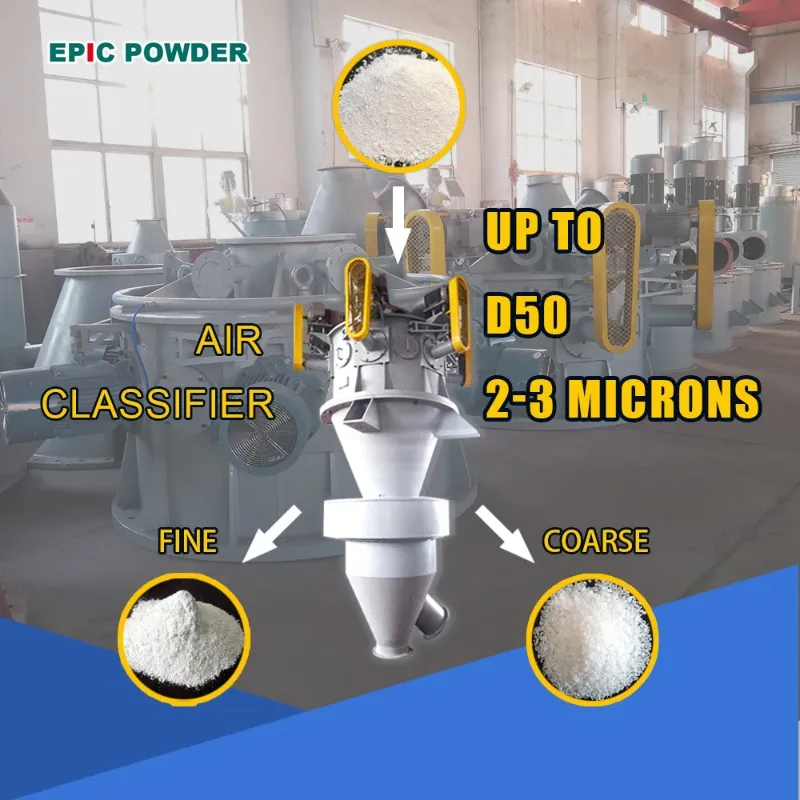
An air classifier separates particles based on their size, shape, and density by using airflow and centrifugal force. Inside the machine, the material is fed into a chamber where a powerful air stream lifts and carries the finer particles upward, while heavier or larger ones fall back down. The classifier’s rotor spins at high speed, creating a centrifugal force that helps to further separate particles. Adjustable settings control the airflow and rotor speed, allowing you to fine-tune the cut-off point between fine and coarse powders.
This process ensures a precise classification of materials without the need for screens or filters. This makes it ideal for handling ultrafine powders and sensitive substances. The technology behind this is widely applied in industries requiring high-precision powder separation, such as mineral processing and chemical manufacturing. For example, advanced kaolin air classifying technology enhances the accuracy and efficiency of ultrafine powder production. You can explore in more detail on our page about kaolin air classifying technology for ultrafine powder precision.
Types and Designs
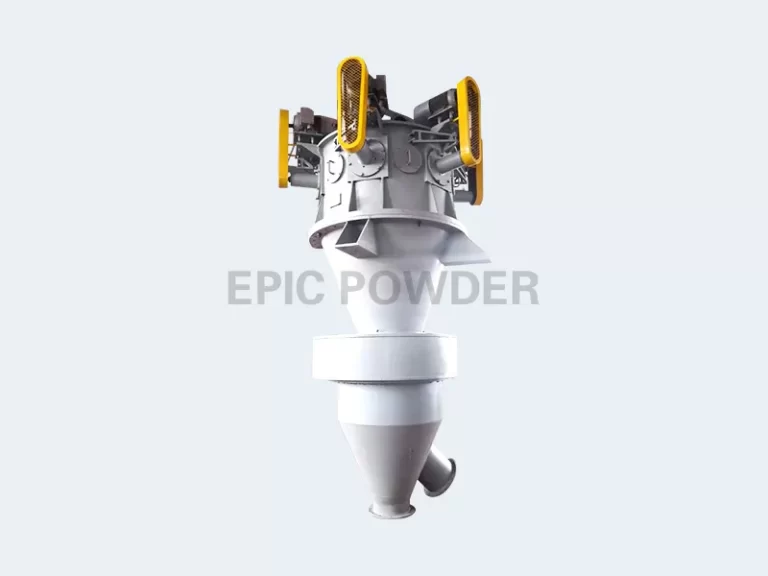
Air classifiers come in various types and designs, each suited for different separation needs. The most common designs include vertical air classifiers, horizontal air classifiers, and cyclone classifiers. Vertical classifiers use rotating wheels to create centrifugal force that helps separate particles based on size and density. In contrast, horizontal classifiers rely more on airflow dynamics in a straight path to sort materials.
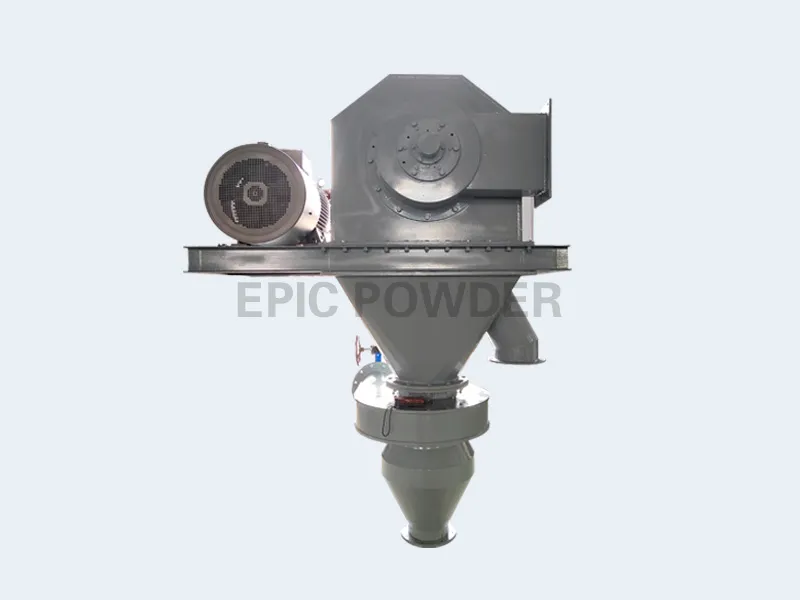
These designs can be customized with features like adjustable blades or varying airflow speeds to improve precision and efficiency. For example, vertical classifier wheels often provide finer particle separation and are easier to maintain. You can discover more about the benefits of different classifier wheel designs in the detailed guide on the advantages of vertical classifier wheels compared to horizontal classifier wheels.
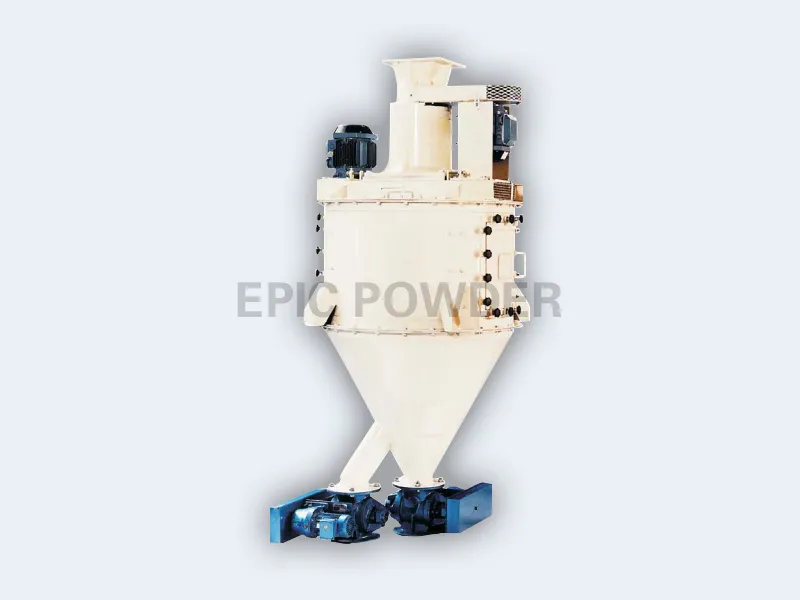
The choice of type and design typically depends on the material characteristics and the desired product quality. Some machines combine classification with grinding, while others focus purely on sorting. For those interested in exploring specific machine models, the full range of air classification machines offers a variety tailored for global industrial applications.
In all cases, air classifiers are engineered to optimize particle separation through airflow manipulation. This ensures accurate, consistent outcomes in powder processing and material refinement.
Where Are Air Classifiers Used?
Air classifiers are widely used across industries that need precise particle size separation and powder classification. You’ll find them in the mining sector for separating minerals, in chemical processing for refining powders, and in food production to classify ingredients like flour or spices.
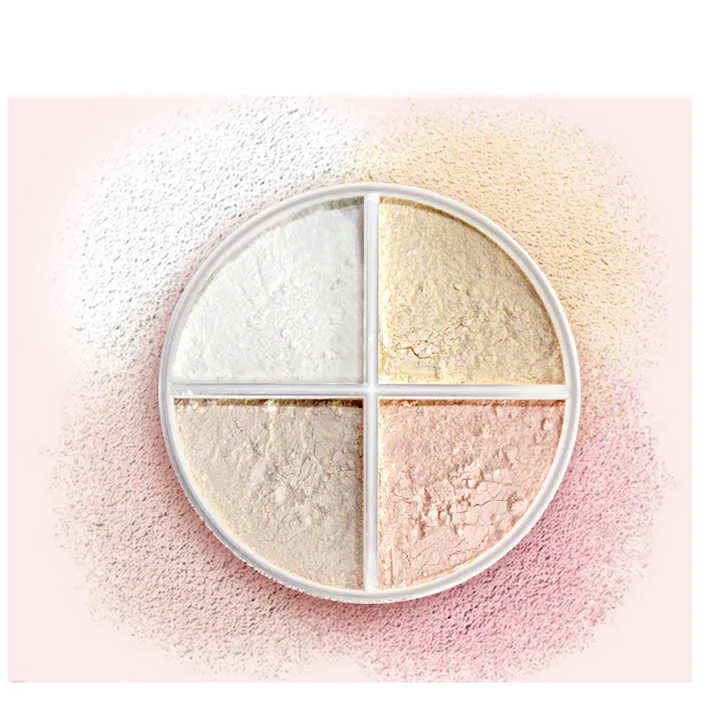
In manufacturing, air classifiers help improve product quality by removing unwanted oversized or fine particles, ensuring uniform powder consistency. They are also essential in recycling operations to separate different materials based on size and density.

Additionally, they play a significant role in pharmaceuticals, cosmetics, and plastics. In these industries, particle size affects the performance and texture of the final product. If you work with materials like calcium carbonate, understanding how to properly convey and feed powders into an air classifier mill can optimize your process.
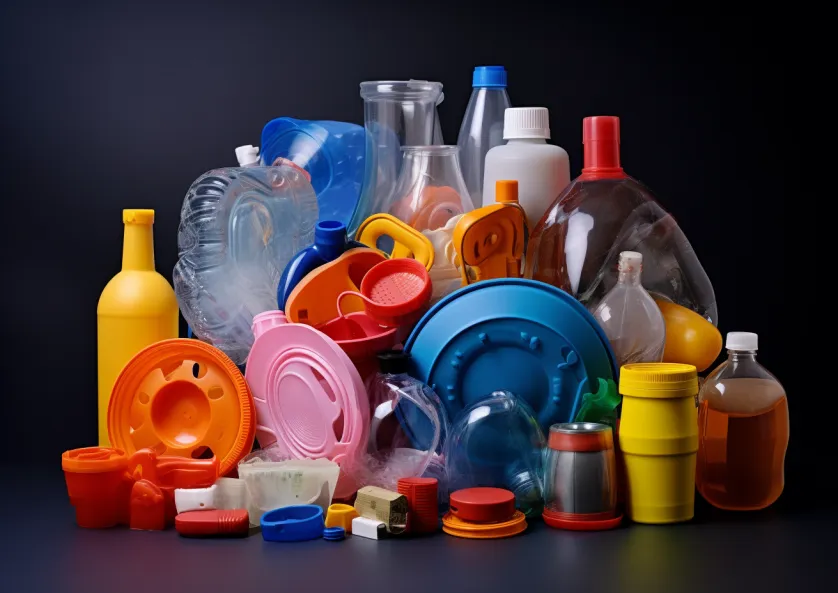
For more details on the diverse applications and how these machines enhance production, consider exploring our insights on the application value of air classifiers.
Advantages and Considerations
Air classifiers offer several key advantages that make them a popular choice for particle separation and size classification. They provide precise control over particle size distribution, allowing industries to achieve consistent product quality. Their energy efficiency is another strong point, as they use airflow rather than screens, reducing wear and maintenance costs. Additionally, air classifiers can handle a wide range of materials, including fine powders and abrasive substances, making them versatile across different sectors.
However, some considerations are essential when choosing an air classifier. The performance depends heavily on the feed material’s characteristics, such as moisture content and particle shape. Too much moisture can lead to agglomeration, which negatively impacts classification accuracy—this is why it’s important to understand why fine particles agglomerate during processing. Moreover, proper calibration and maintenance are critical to keep the system running smoothly and ensure consistent output.
Overall, weighing these advantages and considerations helps you select the right air classifier for your application, balancing efficiency, precision, and operational costs. For more detailed insights on managing particle behavior, exploring why fine powders might clump together can be very useful.
Epic Powder
Epic Powder is specialized in fine powder processing technology for mineral industry, chemical industry, food industry, pharama industry, etc. Our team has more than 20 years experience in Various powders processing. We are a professional supplier of powder processing projects, especially powder milling, powder classifying, powder dispersing, powder classifying, powder surface treatment and waste recycling. We supply consultancy, testing, project design, machines, commissioning and training.

“Thanks for reading. I hope my article helps. Please leave a comment down below.
You may also contact EPIC Powder online customer representative Zelda for any further inquiries.”
— Jason Wang, Senior Engineer